
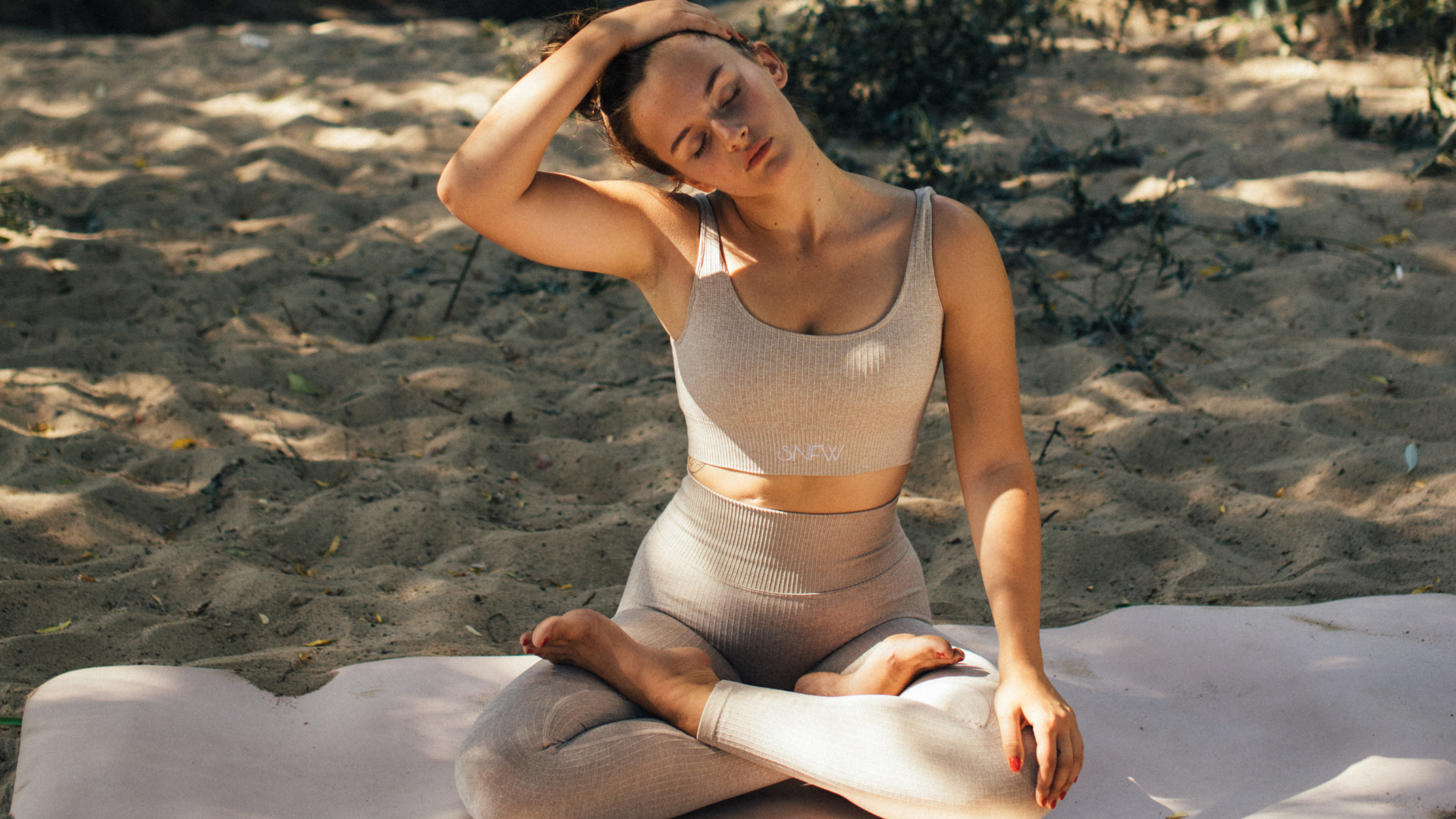
Incorporating daily yoga stretches into a routine can significantly enhance flexibility and overall fitness for beginners. These simple stretches promote mobility and relaxation while also laying a solid foundation for a long-term yoga practice. This gentle approach allows newcomers to gradually ease into the benefits of yoga, making it accessible and enjoyable.
Many individuals may feel intimidated by the complexities of yoga, but starting with basic, foundational stretches can help alleviate those concerns. Each stretch serves to connect the body and mind, fostering a sense of calm and focus. Introducing these daily practices can create a powerful habit that encourages physical well-being and mental clarity.
As beginners explore various stretches, they can experience improvements not only in their physical health but also in their mental resilience. With consistent practice, they may find themselves more centred and balanced, ready to take on the demands of daily life.
Benefits of Daily Yoga Stretches for Beginners
Daily yoga stretches offer numerous advantages for beginners, contributing significantly to physical health and mental well-being. Regular practice can improve flexibility, enhance strength and posture, and boost blood circulation, all of which play a vital role in overall fitness.
Improving Flexibility
One of the primary benefits of daily yoga stretches is improved flexibility. When beginners consistently engage in yoga practice, they gradually increase the range of motion in their joints and muscles. Specific yoga stretches target different areas of the body, helping to alleviate muscle stiffness.
For instance, poses such as Downward-Facing Dog and Cat-Cow are great for stretching the spine and hamstrings. This increased flexibility can lead to better performance in other physical activities while reducing the risk of injury.
Moreover, enhanced flexibility may contribute to a more relaxed state of mind, positively affecting daily stress levels. The combination of stretching and mindfulness during yoga deepens the benefits, making flexibility a key component of daily practice.
Building Strength and Posture
Daily yoga stretches also enhance strength, particularly in core muscles. Poses like Plank and Warrior require the body to support its weight, building muscle tone over time. As strength improves, posture benefits as well.
A strong core supports the spine, leading to better overall alignment. This alignment reduces strain on muscles and joints, promoting longevity in physical activity. Improved posture not only benefits physical appearance but also enhances breathing and digestion.
For beginners, focusing on foundational poses allows for gradual strength development. Engaging in yoga consistently fosters a stronger, more balanced body, fostering confidence during various daily activities.
Enhancing Blood Circulation and Mobility
Regular yoga practice promotes better blood circulation throughout the body. The combination of movement and breathing encourages oxygen-rich blood flow to muscles and organs, facilitating rapid recovery from stress and fatigue.
Dynamic stretches stimulate the cardiovascular system, increasing heart rate while improving overall cardiovascular health. Enhanced circulation ensures that nutrients reach the muscles effectively, promoting quicker recovery after exertion.
Additionally, yoga stretches improve spine mobility, which is crucial for daily activities. An agile spine supports movement and flexibility, making routine tasks easier. This increased mobility contributes to overall well-being, enabling individuals to lead more active lifestyles.
Essential Yoga Stretches and Poses
Daily yoga practice incorporates various foundational stretches and poses. These essential asanas establish a strong base for beginners and enhance flexibility, strength, and relaxation. Understanding and practising these poses can greatly improve one’s overall experience in yoga.
Foundational Poses for Beginners
Foundational poses form the core of any yoga routine. Key poses include Mountain Pose, Warrior I, and Seated Forward Bend.
- Mountain Pose (Tadasana): It promotes stability and posture awareness. Standing tall with feet together, aligning the body from head to toe, engages the core.
- Warrior I (Virabhadrasana I): This pose develops strength in the legs and improves balance. Bend one knee while keeping the other straight, raising arms overhead to create a powerful stance.
- Seated Forward Bend (Paschimottanasana): It stretches the spine and hamstrings. Sitting with legs extended, bending at the hips, and reaching for the feet fosters flexibility.
Practising these foundational poses regularly can enhance a beginner’s confidence and ability in yoga.
Downward-Facing Dog and Its Benefits
Downward-Facing Dog (Adho Mukha Svanasana) is a signature pose in yoga. It is crucial for beginners as it stretches multiple muscle groups.
This pose engages the shoulders, hamstrings, calves, and spine. Starting from a plank position, lifting the hips upwards creates an inverted V-shape.
Benefits:
- Strengthens the Upper Body: It builds muscle in the arms and shoulders.
- Stretches the Back: Lengthening the spine alleviates tension.
- Improves Circulation: Inversion promotes blood flow to the brain.
Practising Downward-Facing Dog regularly supports a balanced yoga routine.
Cat-Cow Stretch for Spinal Flexibility
The Cat-Cow Stretch (Marjaryasana-Bitilasana) is essential for improving spinal flexibility. It combines two movements that gently warm up the spine.
Starting on hands and knees, the movement alternates between arching the back (Cat) and dipping the belly (Cow).
- Cat Pose: Tuck the chin to the chest, round the back, and push through the hands.
- Cow Pose: Lift the head, arch the back, and allow the belly to descend.
This sequence enhances flexibility and eases tension in the back while promoting better posture.
Child’s Pose for Relaxation
Child’s Pose (Balasana) is a restorative posture ideal for relaxation. It helps beginners reset during their practice.
Kneeling on a yoga mat, one sits back on the heels, reaching forward with arms extended on the mat. This gentle stretch opens the hips, relaxes the spine, and calms the mind.
Benefits:
- Promotes Relaxation: Resting the forehead on the mat helps ease anxiety.
- Stretches the Back and Hips: It reduces tension in these areas.
- Encourages Mindfulness: Deep breathing in this pose encourages a meditative state.
Including Child’s Pose in a routine provides an essential moment of calm.
Daily Practice Guidelines for Beginners
Establishing a daily yoga practice for beginners can enhance flexibility and overall fitness. It’s essential to create a routine, set a reasonable duration and frequency, and avoid common mistakes that may hinder progress.
Creating a Consistent Routine
A consistent routine helps beginners cultivate their yoga practice effectively. Finding a specific time each day, whether in the morning or evening, can reinforce commitment.
Using a yoga mat is advisable as it provides comfort and safety during practice. Beginners should also consider selecting a quiet space free from distractions to enhance focus.
Setting achievable goals is beneficial. Rather than aiming for extensive sessions right away, starting with shorter practices allows gradual adaptation to yoga’s physical demands.
Recommended Duration and Frequency
For beginners, a daily duration of 15 to 30 minutes is ideal. This timeframe allows adequate practice without causing fatigue or discouragement.
Practising yoga 5 to 7 days a week is beneficial for establishing a habit. This frequency helps improve flexibility, strength, and mindfulness over time.
As they become more comfortable, individuals can gradually increase their session duration. They can also explore different types of yoga that align with personal fitness goals.
Common Mistakes to Avoid
Beginners often make a few common mistakes that can impact their practice negatively. One frequent error is attempting advanced poses too soon. This can lead to frustration or injury.
Neglecting warm-up exercises is another oversight. A proper warm-up prepares the body for movement and reduces the risk of strains.
Finally, it’s crucial for beginners not to compare themselves with others. Each individual’s yoga journey is unique. Emphasising personal progress fosters a more positive and fulfilling experience.
Progressing and Enhancing Your Practice
As practitioners become comfortable with basic yoga stretches, they can look to deepen their practice. This can involve introducing more advanced poses and incorporating elements of meditation and mindfulness.
Adding More Advanced Poses
Once foundational postures like Mountain Pose (Tadasana) and Bridge Pose are mastered, incorporating advanced poses can enhance strength and flexibility.
- Triangle Pose promotes balance and stamina.
- Tree Pose challenges stability and concentration.
- Cobra Pose helps improve spinal flexibility.
It is crucial for practitioners to focus on their alignment to prevent injury. Always warm up properly before attempting more complex postures. Transitioning gradually into advanced poses allows the body to adapt safely.
Integrating Meditation and Mindfulness
Incorporating meditation into a yoga practice can deepen the benefits significantly. This encourages greater awareness of body and breath, fostering a calm mind.
Practitioners can start with short, guided meditation sessions. Focus on the breath for a few minutes following yoga, which enhances relaxation.
Mindfulness can also be integrated during poses. Paying attention to sensations in the body while holding Triangle or Tree Pose cultivates a richer experience.
Setting an intention before each practice can further enhance one’s journey, promoting clarity and purpose in each session.