
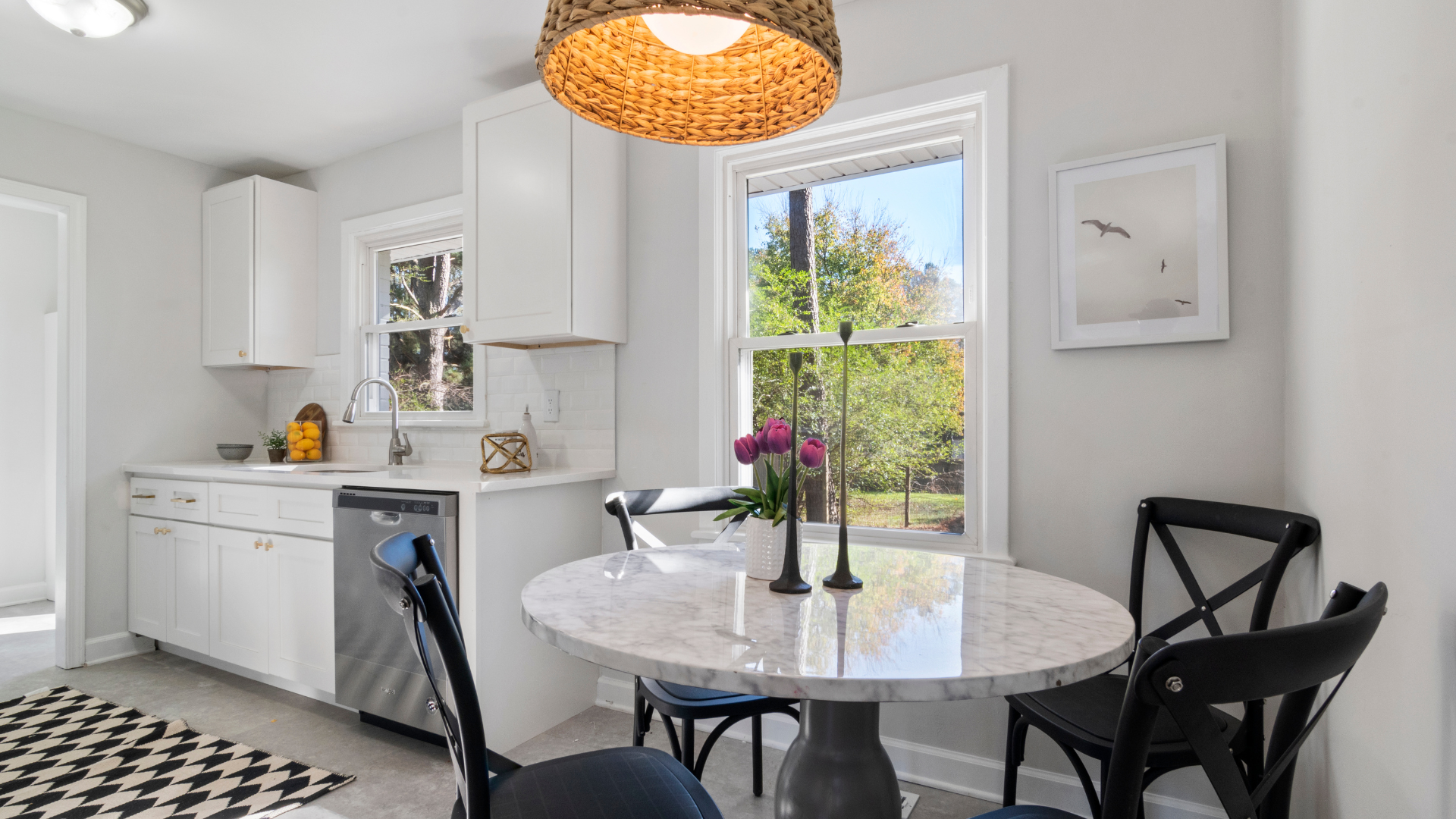
Living in a small home offers unique challenges, but it also presents opportunities for creativity and efficiency. By making smart use of space and prioritising functionality, anyone can transform a compact living area into a comfortable and stylish haven. Embracing minimalism and strategic organisation are key steps in maximising the potential of every square metre.
In a smaller setting, every item must serve a purpose. Thoughtfully chosen furniture that doubles as storage and the clever arrangement of belongings can create an inviting atmosphere without feeling cramped. Making use of vertical space through shelves and wall-mounted units further enhances the available area, allowing for personalised decor while keeping clutter at bay.
Even with smart design, there are times when a small home simply cannot accommodate all belongings comfortably. In these cases, it can be valuable to get in touch with nearby storage companies to explore secure, convenient options for items that are not needed daily. Seasonal belongings, hobby equipment, or excess furniture can be safely stored outside the home, freeing up space and reducing clutter. By creating this extra breathing room, you open up opportunities to make your home more versatile and functional.
Additionally, incorporating multi-functional areas can redefine how one interacts with their space. Creating zones for work, relaxation, and socialising in a limited footprint not only improves the flow of the home but also enhances the overall quality of life. Recognising the potential of a small home can lead to innovative design solutions that fit both style and practicality.
Maximising Space in Small Homes
Maximising space in small homes involves strategic decisions regarding furniture, storage, and multifunctional pieces. Choosing the right items can create an illusion of a larger area and enhance functionality.
Effective Furniture Choices
Selecting furniture that suits a compact living area is crucial. Opt for pieces with slim arms and clean lines to maintain a streamlined appearance. A sofa bed offers both seating and sleeping options, making it ideal for guest accommodations. Extendable dining tables can cater to different needs, expanding when hosting and shrinking for everyday use.
Ottoman beds serve dual purposes, providing a comfortable sleeping area while offering hidden storage for linens and other items. When choosing tables, consider side tables and coffee tables that incorporate additional storage, keeping the space organised and clutter-free. Look for sideboards and display units that serve as stylish storage without overwhelming the room.
Smart Storage Solutions
In small homes, innovative storage solutions can significantly maximise space. Using built-in storage is an effective way to enhance functionality. Custom bespoke storage solutions can be designed to fit awkward corners, ensuring every inch of space is utilised.
Incorporate space-saving storage options like multi-tiered shelving or woven baskets. These provide practical areas to store items while adding aesthetic appeal. Invest in vertical storage to draw the eye upward, creating a sense of height in a small space.
If built-in solutions and clever vertical storage still leave you with overflow, consider short-term off-site options as a practical complement. Local centres often offer a range of unit sizes, climate control and flexible month-to-month terms that suit seasonal or infrequently used belongings. For nearby residents such provisions mean an easy transition from clutter to organised living without major upheaval — for instance, locals can find affordable storage facilities to call that provide secure access and even a complimentary lock with each unit. This keeps the home functioning as a comfortable, well-planned space while freeing up valuable square footage.
If larger or seasonally used items are taking up prime real estate, off-site storage can act as a pragmatic extension of your home’s system. A short-term unit frees up living space while keeping belongings accessible, and many local providers offer a range of options from drive-up and ground-floor access to climate-controlled spaces for delicate items. For readers in Gastonia, it can help to call reputable local storage facilities to discuss unit sizes, vehicle or RV parking and easy access during moves. Factoring in convenience and protection when choosing a facility ensures your home stays uncluttered without sacrificing security.
Sliding wardrobes can also save valuable floor space by offering ample storage without the need for swing doors. Using the space under beds for additional storage is another practical solution, keeping rooms tidy and efficiently organised.
Utilising Multifunctional Pieces
Multifunctional furniture is essential in compact living. Look for pieces that combine various functions to reduce the need for excess furniture. A dining table that doubles as a workspace can streamline a small area while ensuring versatility.
Ottoman beds and sofa beds serve multiple roles without consuming too much space. Compact armchairs that swivel can be more than just seating; they provide flexibility in layout. Incorporating wooden legs into furniture adds a light feel, making pieces appear less bulky.
Choosing items with storage capabilities not only declutters but also maximises functionality, ensuring that each piece contributes to the space’s utility without overcrowding the environment.
Creating Light and Airy Interiors
To enhance a small home, focusing on creating light and airy interiors is essential. By utilising natural light, choosing light colours, and implementing strategic lighting, one can maximise the sense of space and openness within a home.
Optimising Natural Light
Maximising natural light is crucial for a bright living space. Large windows should be kept unobstructed; using sheer curtains will allow maximum light to enter while maintaining privacy.
Strategically placed mirrors can reflect light, enhancing brightness throughout the room. If possible, consider adding skylights or light tubes to bring daylight into darker areas.
Additionally, keeping walls and ceilings light in colour will amplify the effect of incoming light. Regular cleaning of windows ensures they allow as much light in as possible.
Strategic Use of Mirrors
Mirrors serve as practical design elements in a small home. They can create an illusion of depth, making the space appear larger.
A large mirror on a central wall can reflect light from windows, illuminating the room effectively. Smaller mirrors arranged in clusters can also be visually striking.
It is advisable to position mirrors opposite windows to maximise their reflective potential. This not only focuses light but also creates interesting visual dynamics within the interior.
Selecting Light Colours
Colour selection plays a pivotal role in achieving a light and airy interior. Light colours such as whites, creams, and soft pastels can create a sense of openness and calm.
Incorporating these shades into walls, furnishings, and decorative elements can help to maintain a coherent, breezy aesthetic.
Accent colours can be introduced through accessories, but they should remain muted to prevent overwhelming the space. Glossy finishes also contribute to a reflective quality, enhancing luminosity and warmth.
Incorporating Layered Lighting
Layered lighting is key to achieving a well-lit and inviting space. Combining ambient, task, and accent lighting helps create a versatile environment.
Floor lamps can provide soft illumination in living areas, while wall lights can accentuate artwork and architectural features.
Using dimmer switches adds flexibility, allowing for changes in ambience based on time of day or occasion. Incorporating multiple light sources ensures each area of the home feels balanced and inviting.
Organisational Tips for a Clutter-Free Home
Creating an organised, clutter-free home requires strategic planning and smart utilisation of space. By employing effective decluttering techniques, maximising vertical areas, and managing home decor, one can significantly enhance both functionality and aesthetics.
Decluttering and Space Planning
Decluttering is a crucial first step in achieving an organised home. Start by systematically going through items and categorising them into keep, donate, and discard piles. This can create a sense of space and clarity.
Once decluttering is complete, focus on space planning. Use furniture that provides additional storage, like a divan bed with drawers, to maximise space. Position furniture to facilitate easy movement and access to essential areas, allowing for a more open feel.
A well-thought-out layout can help prevent clutter from accumulating, as everything has a designated place. Regularly reassess the organisation of belongings to ensure it continues to suit changing needs.
Making Use of Vertical Space
Vertical space is often underused in smaller homes. Incorporating floating shelves can exploit wall areas effectively for storage and display. Ideal for books, plants, or decorative items, shelves can draw the eye upwards, creating an illusion of higher ceilings.
Overhead storage solutions like cabinets or hooks can also free up floor space. Consider installing shelves above desks or beds to keep frequently used items within reach, yet off surfaces.
Utilising wall-mounted racks for accessories or kitchen items can reduce clutter on counters, enhancing the overall appearance of the space. This not only fosters organisation but can also add distinctive character to a room.
Managing Home Decor
Home decor plays a significant role in maintaining an uncluttered environment. Select a cohesive colour palette that promotes tranquillity, making spaces feel serene rather than overcrowded. Use lightweight throws and scatter cushions sparingly to add warmth without overwhelming the room.
Opt for multifunctional decor items, such as decorative boxes that can store smaller belongings. This approach prevents untidiness while allowing creativity in design.
In smaller bedrooms, maintaining minimal decorative elements helps keep surfaces clear. Curate decor to ensure every piece adds value and purpose, reinforcing an organised atmosphere. By thoughtfully integrating decor and organisation, a harmonious living space emerges.