
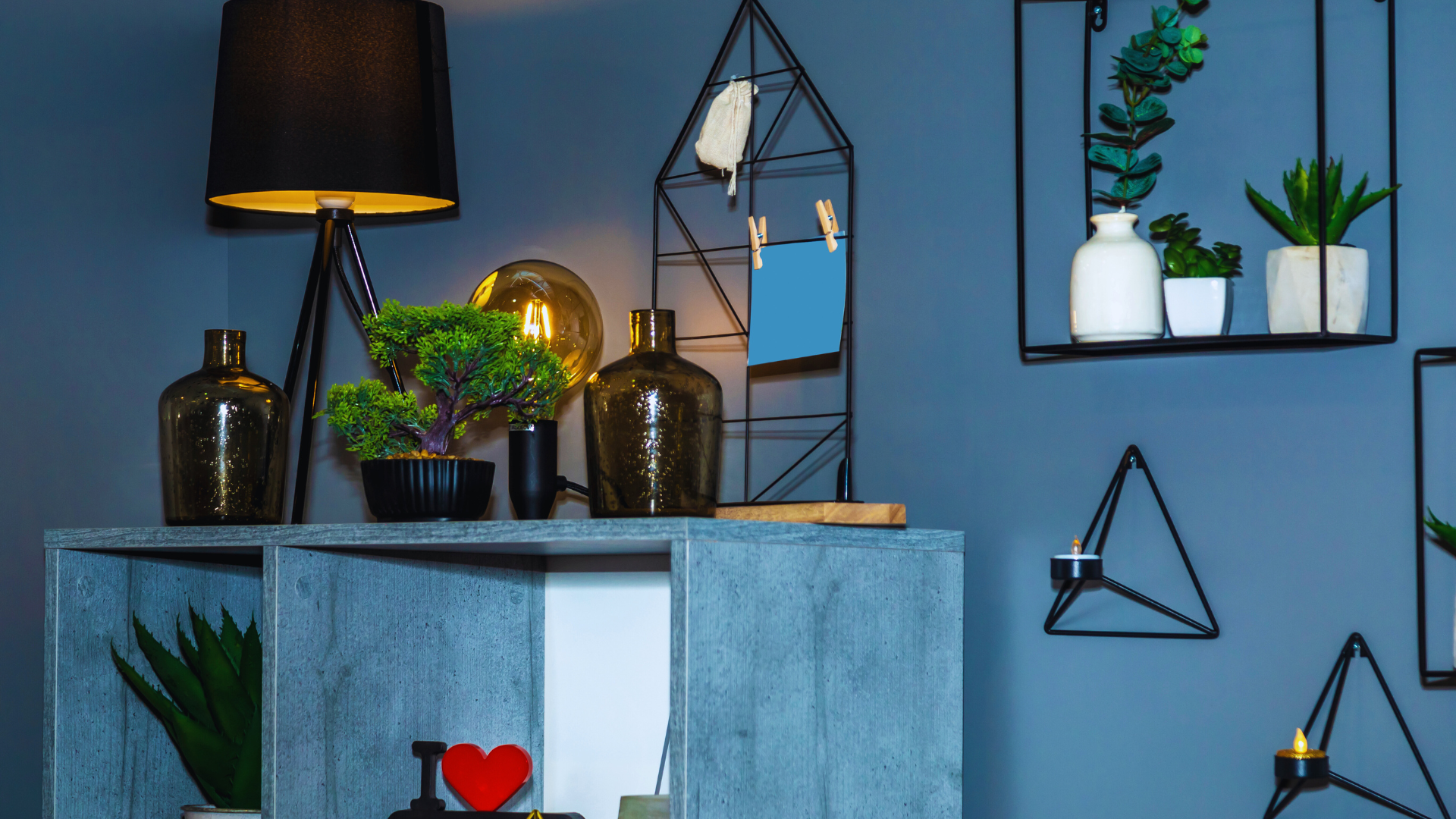
Minimalist home design focuses on simplicity and functionality, creating spaces that are both attractive and uncluttered. In contrast to stark or sterile interiors, a warm and inviting minimalist home incorporates texture, natural materials, and thoughtful accents that enhance comfort. By blending minimalist principles with elements that evoke warmth, it’s possible to achieve a serene environment that feels livable and welcoming.
Using a neutral colour palette combined with soft furnishings can bring balance to minimalist interiors. Textures play a vital role; items such as woven throws, wooden furniture, and natural fibre rugs add depth and a human touch. Emphasising natural light through large windows or strategically placed mirrors also contributes to creating an inviting atmosphere, making simplicity feel warm and nurturing.
Incorporating personal touches such as family photographs or curated decor pieces allows for individual expression without overwhelming the minimalist aesthetic. Plants can further enhance the warmth of the space, introducing life and colour while sticking to minimalist design. This approach ensures that the minimalist style remains anchored in comfort and personal significance.
Core Principles of Minimalist Home Design
The foundation of minimalist home design revolves around elements that promote a sense of space and warmth. Key concepts involve embracing clean lines, prioritising simplicity, and maintaining a clutter-free environment.
Embracing Clean Lines
Clean lines are essential in minimalist design. They create a sense of order and tranquillity within a space. Furniture with sleek silhouettes and streamlined edges helps achieve this aesthetic.
Incorporating geometric shapes in furniture and architectural features can enhance the minimalist vibe. For instance, a rectangular dining table or angular shelving units can contribute to a cohesive look.
Walls should be kept smooth and free from excessive ornamentation. This allows the eye to move effortlessly through the space, fostering an inviting atmosphere that feels both open and serene.
The Importance of Simplicity
Simplicity is at the heart of minimalist design. This principle encourages the selection of only essential items, promoting functionality without compromising style.
Opting for a neutral colour palette can amplify this effect. Soft hues like whites, beiges, and muted pastels create an airy feel, enhancing light and warmth.
In furniture selection, prioritising quality over quantity is crucial. Choosing well-crafted pieces that serve multiple functions helps maintain the minimalist ethos while ensuring comfort and practicality.
Minimalist design isn’t limited to interiors, it also applies to the home’s exterior and overall layout. Features like side entry garages align with minimalist principles by reducing visual clutter on the front façade and promoting a clean, streamlined appearance. This design choice not only enhances curb appeal but also creates a more balanced and functional flow throughout the property.
Achieving such a cohesive and functional design often begins with the very foundation of the home. When considering a new build, working with a builder who understands how to integrate these principles from the initial blueprint stage is crucial. They can ensure that every element, from structural integrity to aesthetic flow, contributes to a truly personalized and efficient living space. For those envisioning a residence that perfectly embodies their unique style and needs, collaborating with a luxury custom home builder can transform abstract ideas into a tangible, high-quality reality. This partnership allows for meticulous attention to detail, ensuring the home not only looks stunning but also functions flawlessly for years to come.
Decluttering for a Clutter-Free Space
Decluttering is fundamental in achieving a minimalist home. Removing unnecessary items allows for better functionality and enhances the aesthetics of the space.
Creating designated storage solutions can help maintain organisation. Built-in shelves, under-bed storage, and minimalist cabinets can keep belongings out of sight while remaining easily accessible.
Regularly assessing personal items encourages mindful consumption and reduces clutter accumulation. A commitment to living with less not only improves visual appeal but also creates a calming environment that feels inviting and lived-in.
Creating a Warm and Inviting Atmosphere
Establishing a warm and inviting atmosphere within minimalist home design relies heavily on the careful selection of textures and the incorporation of natural elements. Using soft textiles, layered rugs, and wooden accents can create a sense of comfort, while plants and natural light bring life and warmth to the space. Thoughtful lighting choices, such as warm-toned lamps or strategically placed sconces, further enhance the cozy ambiance without disrupting the home’s clean, minimalist lines.
For homeowners looking to achieve a refined and cohesive design, consulting with luxury home builders can make a significant difference. These professionals can integrate premium materials, bespoke finishes, and tailored layouts that elevate both the aesthetic and functional aspects of the home. By working with experienced builders, one can ensure that every detail, from textures to architectural elements, contributes to a sophisticated yet welcoming living environment.
Textural Contrast and Soft Furnishings
Employing a variety of textures is key to adding depth to minimalist interiors. Soft furnishings, such as plush cushions, throws, and rugs, introduce warmth.
- Cushions in different fabrics (wool, cotton, linen) can be layered on a simple sofa to create a welcoming feel.
- Rugs, especially those with a thick pile, offer comfort underfoot and define spaces within open areas.
Incorporating wood and stone accents adds further contrast. Smooth surfaces juxtaposed with soft textiles create a balanced environment.
Attention should also be on colour. Warm neutrals, such as creams and taupes, can make the space feel inviting while maintaining an airy aesthetic.
Extending this sense of comfort to the outdoors can further enhance a minimalist home’s appeal. Well-designed exterior areas, such as gardens, lounge spaces, and thoughtful patio installation, often provide natural continuity between indoor and outdoor living.
Moreover, incorporating materials like concrete, stone, or composite decking preserves the clean aesthetic while ensuring durability and function. Together, these elements help create a cohesive home environment that feels warm, harmonious, and effortlessly inviting.
Incorporating Greenery and Natural Elements
Integrating greenery into minimalist designs brings life and freshness to a home. Houseplants, such as snake plants or peace lilies, not only purify the air but also contribute to a serene atmosphere.
Placing plants in simple, unembellished pots enhances the minimalist aesthetic.
- Consider using hanging planters to save floor space while adding vertical interest.
- Arranging plants in groups creates visual impact without overwhelming the space.
In addition to plants, natural elements like wood, stone, or woven items can add warmth.
Accessories made from these materials—such as bamboo trays or wooden bowls—help to avoid a sterile look, making the environment feel more grounded and inviting.
Lighting Strategies for Minimalist Spaces
Effective lighting plays a crucial role in enhancing the warmth and inviting nature of minimalist home designs. Carefully balancing natural light, ambient lighting, and targeted task illumination creates spaces that feel comfortable and functional.
Maximising Natural and Ambient Light
In a minimalist setting, maximising natural light is key. Large windows and strategically placed mirrors can reflect daylight, making rooms appear larger and more open. Sheer curtains allow light to filter in while maintaining privacy.
For ambient lighting, consider fixtures that provide soft, even illumination throughout the space. Recessed lighting or flush mounts can create a seamless look without clutter. Using a warm colour temperature in bulbs enhances comfort, making the space feel cosy. Dimmers are also beneficial, as they allow for flexibility in light intensity, adapting to various activities or moods.
Selecting the Right Accent and Task Lighting
Accent lighting highlights specific features, creating focal points in minimalist interiors. Think of floor lamps or wall sconces that draw attention to artwork or architectural features. This type of lighting adds depth without overwhelming simplicity.
Task lighting should be functional and stylish. Pendant lights above dining tables or adjustable desk lamps can provide necessary illumination while complementing minimalist aesthetics. LED strips under cabinets or shelves also offer effective task lighting, adding functionality without compromising the design ethos.
Statement Pieces: The Role of Chandeliers
Chandeliers can serve as central features in minimalist spaces, providing an elegant contrast to simplicity. A well-chosen chandelier adds a touch of luxury while maintaining a clean linear design. Look for minimalist styles in materials like metal or glass that align with the overall aesthetic.
When selecting a chandelier, consider scale and proportion. A large, bold piece can become a statement, making a room feel inviting and chic. Ensure that it is appropriately hung to maximise its visual impact without disrupting the minimalist vibe.
Practical Design Elements and Storage Solutions
In minimalist home design, practical elements and efficient storage are crucial for creating a warm and inviting atmosphere. Simple choices in furniture and colour can enhance comfort while maintaining elegance. Implementing thoughtful storage solutions is essential for a tidy environment.
Optimising Bedroom Furniture
Selecting the right furniture for a bedroom maximises space and comfort. платформируйте bed frames that incorporate built-in storage, such as drawers, which help maintain a neat appearance.
Choose a platform bed or a low-profile frame to create an airy feel. Additionally, nightstands with shelves provide convenient storage for items like books or chargers.
Neutral or soft-toned furniture pieces can further enhance the minimalist aesthetic. Accessories should be limited to a few carefully selected items that add warmth without cluttering the space.
Choosing a Harmonious Colour Palette
A cohesive colour palette plays a significant role in creating a welcoming environment. Stick to a range of neutral shades, such as whites, greys, and beiges, which promote calmness and harmony.
Incorporating soft pastels as accents can add warmth without overwhelming the space. For instance, choose cushions or throws in muted colours.
Moreover, natural materials like wood and stone can be introduced through furniture or décor. These elements complement a minimalist colour scheme, providing both texture and visual interest.
Smart Storage for a Clutter-Free Environment
Effective storage solutions are pivotal for a minimalist home. Consider using decorative baskets or boxes for organising items like blankets and magazines.
Wall-mounted shelves can also save floor space while displaying carefully curated accessories.
In addition, multifunctional furniture, such as ottomans with hidden compartments, keeps essential items accessible yet out of sight. By keeping surfaces clear, the home remains inviting and organised, allowing for a serene atmosphere.