
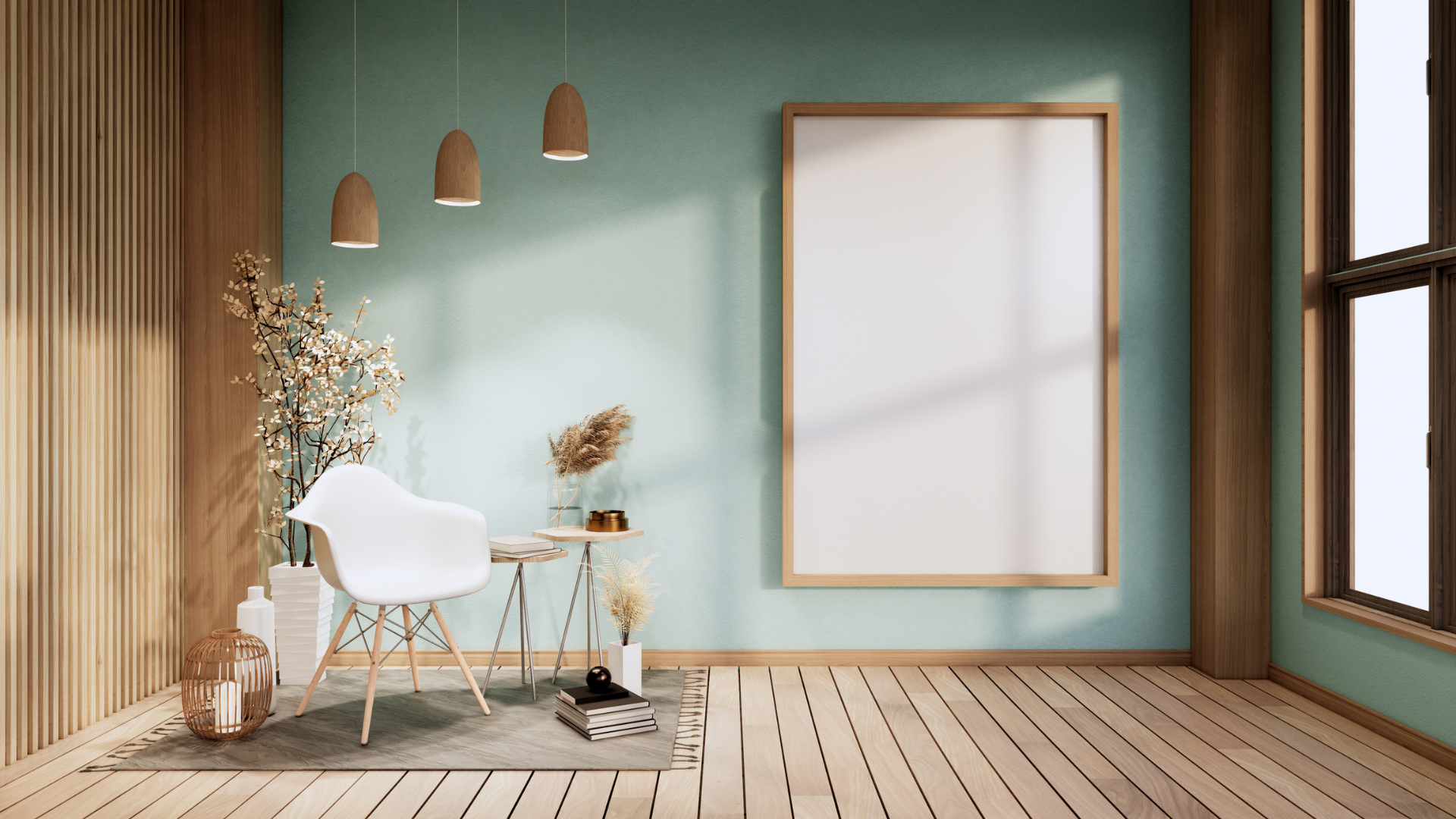
Mixing old and new elements in home decor can create a unique and inviting atmosphere that reflects personality and style. By strategically combining vintage pieces with contemporary designs, individuals can achieve a balanced aesthetic that enhances the character of their spaces. This guide will explore effective ways to blend different eras, ensuring an eclectic yet cohesive look.
Incorporating antiques alongside modern furniture not only adds depth and interest but also tells a story about the homeowner’s journey. Layering textures, colours, and styles can transform any room into a vibrant tableau. This article will provide practical tips and insights to inspire creativity in home decoration.
With the right approach, merging traditional and modern elements can elevate the overall design of a home, making it both functional and visually appealing. Discover how thoughtful choices and a keen eye can lead to an inspiring environment that feels both fresh and timeless.
The Art of Mixing Old and New in Home Decor
Mixing old and new in home décor creates a unique and personalised environment. This approach enhances aesthetic appeal while balancing functionality and style. Understanding how to blend various elements can transform a space into a cohesive masterpiece.
Understanding the Principles of Mixing Styles
When mixing old and new elements, it is essential to recognise the principles of design. Contrast plays a vital role; pairing an antique chair with a sleek, modern table can create visual interest. To maintain harmony, consider the colour palette. Using complementary colours can unify disparate pieces.
Incorporating various textures enhances depth in a room. A blend of wood, metal, and fabric encourages a tactile experience. Additionally, scale matters. Ensure that both old and new items are proportionate to each other. A large, vintage mirror can serve as a focal point, especially against minimalist decor.
Balancing Functionality and Aesthetics
The balance between functionality and aesthetics is crucial in decor. Old pieces often bring character, while new items provide updated features. For instance, a vintage sideboard can offer storage while acting as a decorative element. Sometimes, achieving this balance requires more than just swapping out furniture. Homeowners often choose to remodel entire rooms to build custom storage or update old layouts. Working with professional contractors like Macuman Renovations in Calgary helps integrate modern storage solutions directly into older homes. These structural updates make daily life easier and preserve the original character of the property. This approach allows people to keep their favourite vintage pieces in a space that works for modern living.
Incorporating built-in modern conveniences can also enhance traditional elements. Integrated lighting in an antique chandelier can increase functionality without losing charm. When choosing items, ensure that they fulfil a purpose but also contribute to the overall aesthetic.
A well-planned layout can facilitate both practicality and beauty. Strategic positioning of furniture allows for flow and accessibility while showcasing design elements. Regularly assess how each piece contributes to both utility and visual appeal.
Defining Your Personal Style
Defining personal style is paramount in the mixing process. Individuals should assess what resonates with them, focusing on favourite colours, materials, and eras. Making a mood board can aid in visualising this blend.
Layering different time periods offers a narrative. For example, pairing 1960s artwork with classic Victorian furniture can tell a unique story. Emphasising personal preferences leads to authenticity in decor.
Ultimately, personal style is about comfort and identity. Blending old and new should reflect who they are, fostering a space that feels both lived-in and stylish. Every choice should resonate with personal experiences and tastes, ensuring a cohesive yet diverse aesthetic.
Key Elements for a Cohesive Look
Creating a cohesive look within home decor involves carefully selecting textures, colours, and decorative accessories that complement each other. The right combination of these elements can bridge the gap between old and new styles seamlessly.
Incorporating Texture and Patterns
Mixing different textures adds depth to a space. Combining smooth surfaces with rough textures creates visual interest. For instance, pairing a sleek leather sofa with a chunky knitted throw can establish contrast.
Patterns can also enhance this effect. Florals and stripes are popular choices. A floral accent chair can provide a touch of whimsy, while striped cushions can add structure. It’s essential to balance bold patterns with more subdued ones to maintain harmony.
Playing with Colours and Palettes
A neutral colour palette serves as a perfect foundation for blending styles. Earthy tones like taupe, beige, and soft greens can create a calming environment. These colours also allow vibrant accents to stand out effectively.
Incorporating pops of colour should be done thoughtfully. Bright accessories, such as cushions or wall art, can draw the eye. It’s crucial to choose colours that harmonise with existing shades, ensuring a unified aesthetic appeal.
Curating Decorative Accessories
Decorative accessories play a pivotal role in unifying old and new elements. Objects like vintage vases can juxtapose modern art pieces beautifully. When selecting accessories, consider a mix of heights, shapes, and materials. Objects like vintage vases can contrast modern art pieces beautifully, while items such as throwing axes can add a bold touch to introduce a rustic look to the space.
Displaying items in groups rather than individually will also generate a more cohesive look. Using trays to corral smaller pieces or arranging books with decorative objects can create an organised appearance. Thoughtfully curated accessories will enhance the overall decor and invite a sense of personal style into the space.
Balancing Vintage and Modern Touches
Incorporating vintage and modern elements can create a unique and harmonious home decor. By understanding how to blend these styles, one can achieve a balanced look that highlights the best of both worlds.
Integrating Vintage Furniture with Clean Lines
Combining vintage furniture with modern pieces requires a thoughtful approach. Selecting vintage items with clean lines can enhance the overall aesthetic while maintaining a contemporary feel.
For example, a mid-century modern chair can pair beautifully with sleek, minimalist tables. This blending creates visual interest without overwhelming the space.
In addition, using a limited colour palette can unify differing styles. Neutral tones often work well, allowing the vintage elements to shine without clashing against modern decor.
Showcasing Antiques in Contemporary Spaces
Antiques can add character and depth to modern environments. To effectively showcase these pieces, choose one or two standout items that draw attention.
Positioning an antique cabinet against a neutral wall provides a striking contrast. Open shelves can also display smaller antiques, allowing them to function as decor while still preserving their history.
Incorporating modern lighting fixtures can enhance the appeal of antiques, creating a pleasing juxtaposition. Carefully considering placement and pairing items thoughtfully leads to a cohesive design.
Selecting Multi-Functional and Modern Pieces
Multi-functional furniture is ideal for blending vintage elements into modern spaces. Items like a vintage trunk that doubles as a coffee table can meet practical needs while maintaining style.
When selecting modern pieces, look for those that are versatile in their use. A sleek sofa can anchor a room, while a vintage side table can enhance the design.
Consider anchoring a seating area with a classic modernist piece: the compact proportions and industrial frame of designs like LC3 Sofa can make it an excellent choice for balancing vintage accents with contemporary lines. Its low profile and generous cushions read as both historical and comfortable, helping a room feel curated rather than staged.
Opt for neutral leather or textured fabrics to echo existing palettes so smaller antique pieces can still stand out. Positioning this sofa opposite a vintage side table or under a large artwork creates a deliberate dialogue between eras.
Additionally, including storage solutions that complement vintage aesthetics is beneficial. For instance, contemporary shelving units can showcase curated vintage collections without sacrificing function.
Styling Strategies for a Harmonious Space
Creating a harmonious space involves a balance of simplicity, glamour, and thoughtful finishing touches. By combining these elements, one can achieve a cohesive look that reflects personal style while remaining functional.
Embracing Simplicity and Decluttering
Simplicity is key in mixing old and new decor. Start by identifying essential items and removing unnecessary clutter. This approach not only clears physical space but also provides mental clarity.
Key steps include:
- Assessing what is truly needed.
- Organising belongings into keep, donate, or discard categories.
- Utilising storage solutions that blend with existing decor.
Opt for multi-functional furniture to maximise space. Choose pieces that serve a purpose without overwhelming the area. A clean, simple aesthetic sets a solid foundation for integrating contrasting styles effectively.
Adding Glamour and Maximalist Accents
Once the space is decluttered, the focus can shift to adding touches of glamour. Maximalism allows for bold statements that can invigorate a room.
Consider these elements:
- Bold colours and patterns that complement the existing decor.
- Layered textiles, such as cushions and throws, to introduce texture.
- Art and accessories that reflect personality.
Incorporating gold accents, such as frames or lighting fixtures, can elevate the glamour quotient. These metallic touches contrast beautifully with simpler elements, creating a dynamic visual interest that enhances the overall design.
Choosing Finishing Touches: Gold, Plaid, and More
Finishing touches play a crucial role in defining the final look of a space. Gold can add warmth and luxury, making it an ideal choice for accessories.
Incorporate patterns such as plaid in textiles for a touch of classic charm. Consider:
- Plaid cushions for a comfortable yet stylish seating area.
- Gold-rimmed mirrors to enhance natural light and make the room feel larger.
- Layering textures through rugs or curtains to bring depth.
These details ensure that a space feels thoughtfully curated, successfully marrying old and new styles to create an inviting environment.