
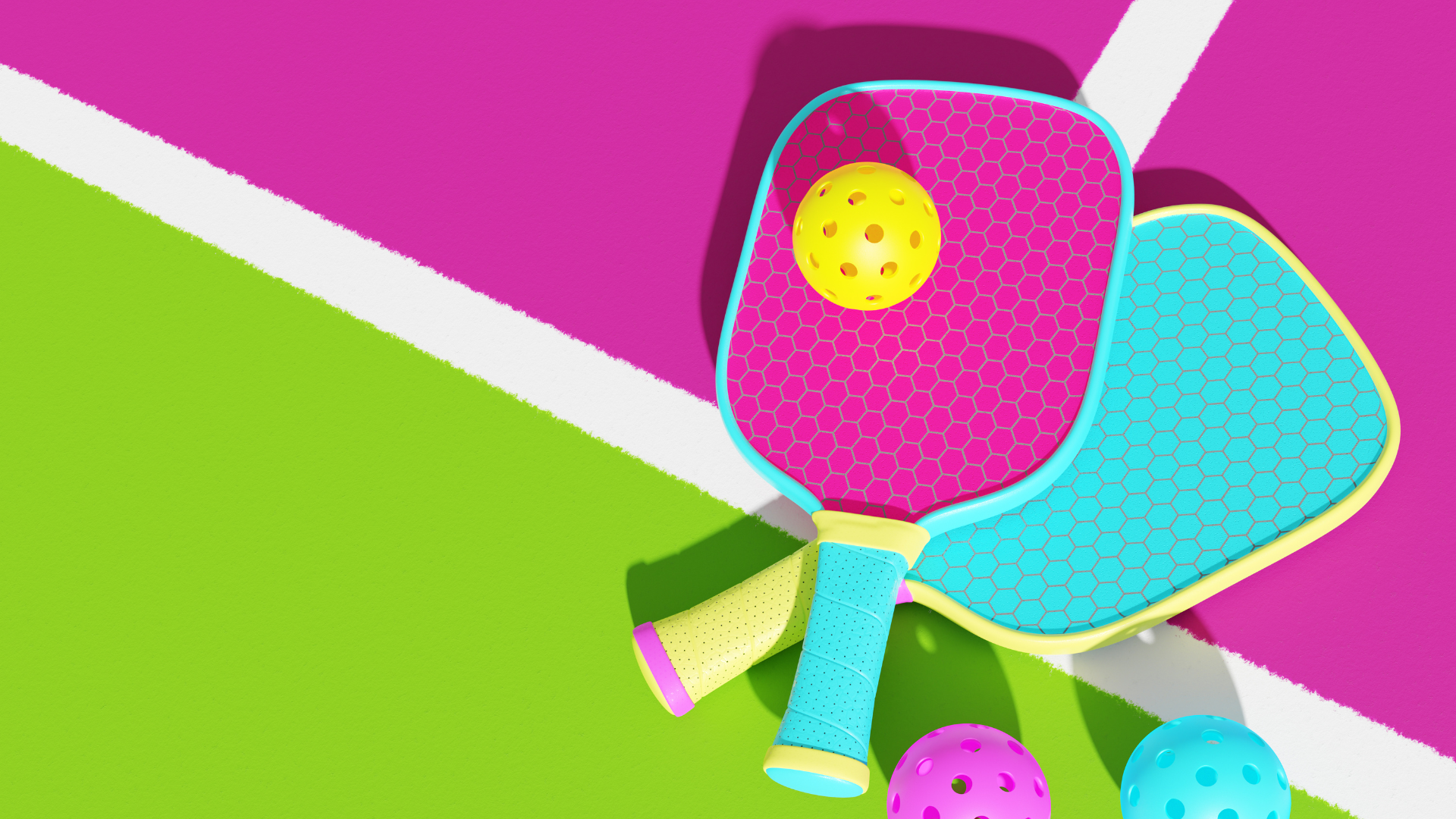
If you’re getting serious about pickleball, it’s time to stop borrowing paddles and find the one that works best for you. It may seem simple—after all, a paddle is just a paddle, right? But picking the right one can significantly improve your game, whether you’re a casual player or someone eyeing competitive play. With so many different paddles on the market, how do you know which one is right for your playing style?
Here’s everything you need to know to find the ideal pickleball paddle for you.
What Type of Player Are You?
Before diving into paddle specifics, it’s essential to understand what kind of pickleball player you are. Do you like to play fast and aggressive, dominating at the net? Or are you more of a strategic player who likes to place precise shots? Maybe you’re somewhere in between, a mix of power and control. Knowing your style will help you identify which paddle will give you the most edge on the court.
Key Factors to Consider When Choosing a Paddle
There are a few main characteristics to think about when shopping for a paddle at the likes of saltedcitysports.com. These will directly impact your performance on the court and how comfortable you feel using it. Let’s break them down.
1. Weight
The weight of your paddle is one of the most important factors. It can influence everything from how much power you generate to how quickly you can react to a ball. Pickleball paddles usually range between 6.8 and 14 ounces. Here’s how weight impacts your game:
- Light paddles (6.8 – 7.5 ounces) – Light paddles offer more control and are ideal for players who rely on precision over power. They’re also easier to maneuver, making them a good choice for players who need quick reactions at the net.
- Medium paddles (7.6 – 8.4 ounces) – A good balance between power and control. Most players fall into this category, especially those who like a versatile style of play.
- Heavy paddles (8.5 – 14 ounces) – These paddles give you more power but can be harder to control, especially if you’re a beginner. They’re perfect for players who prefer hard-hitting, aggressive play but can tire your arm out more quickly during long matches.
2. Grip Size
The grip size of your paddle affects your comfort and control. Too big or too small, and your paddle can feel awkward to use, possibly leading to strain or even injury. Generally, a good rule of thumb is to match the grip size to your hand size. Here’s how to choose the right one:
- Small grip (4 – 4.25 inches) – Ideal for players who want extra wrist action, which can help with spin and control.
- Medium grip (4.25 – 4.5 inches) – A middle-ground that offers both control and some wrist action, suitable for most players.
- Large grip (4.5 inches or larger) – Great for players with bigger hands or those who prefer more stability and less wrist action.
You can measure your grip size by placing a ruler along your palm and measuring from the middle crease to the tip of your ring finger. This will give you a good idea of what grip size to look for.
3. Paddle Shape
Pickleball paddles come in various shapes, and the shape you choose can influence how you play:
Standard shape
The traditional, wider paddle with a larger sweet spot, offering more forgiveness and making it easier to return balls, perfect for beginners and intermediate players.
Elongated shape
This paddle is longer and narrower, giving you extra reach and leverage for more powerful hits. However, the smaller sweet spot means you’ll need more skill to control it.
Widebody shape
A larger paddle with an even bigger sweet spot than standard shapes. These are great for players who want to improve their accuracy and return shots with more confidence.
4. Core Material
The paddle’s core material can greatly affect its performance. Most pickleball paddles are made with one of three core materials:
Polymer cores
Known for being soft and quiet, polymer cores are the most popular choice for recreational players. They offer good control and a cushioned feel, making them great for strategic, placement-focused players.
Nomex cores
These cores are harder and louder but provide excellent power and durability. They’re often favored by competitive players who like to hit the ball harder.
Aluminum cores
Lightweight and responsive, aluminum cores provide great touch and control but lack the power of other core materials. Ideal for finesse players who want more precision than force.
5. Surface Material
Lastly, the material on the paddle’s surface will determine how much spin and power you can generate. Here’s a quick breakdown:
- Fiberglass (composite) – Offers more power due to its flexibility, making it great for players who prefer hitting hard.
- Graphite – Lightweight and durable, graphite paddles offer excellent control and are often preferred by players looking for touch and finesse.
- Carbon fiber – The most durable and often the most expensive, carbon fiber paddles give you both power and control, perfect for advanced players.
Making Your Decision
With so many factors at play, choosing a paddle can feel overwhelming. But it all comes down to balancing the features that will complement your playing style the most. If you’re new to pickleball or still developing your game, it’s usually best to start with a mid-weight paddle that offers a mix of control and power. For more seasoned players, experimenting with core materials, grip sizes, and shapes can help you find the paddle that takes your game to the next level.